About The Lab
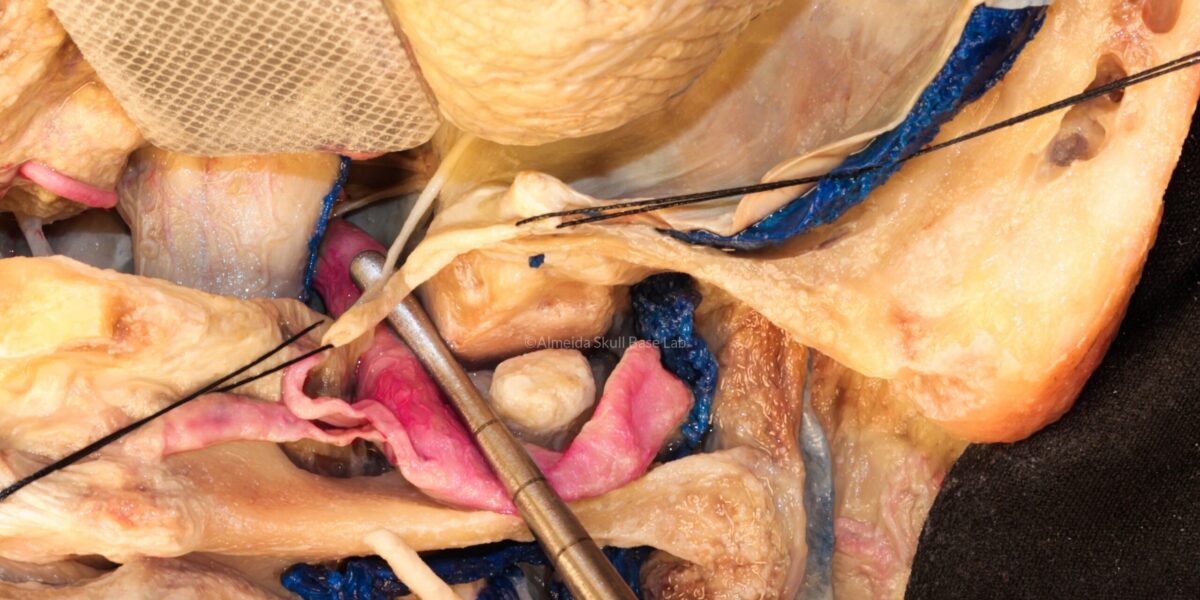
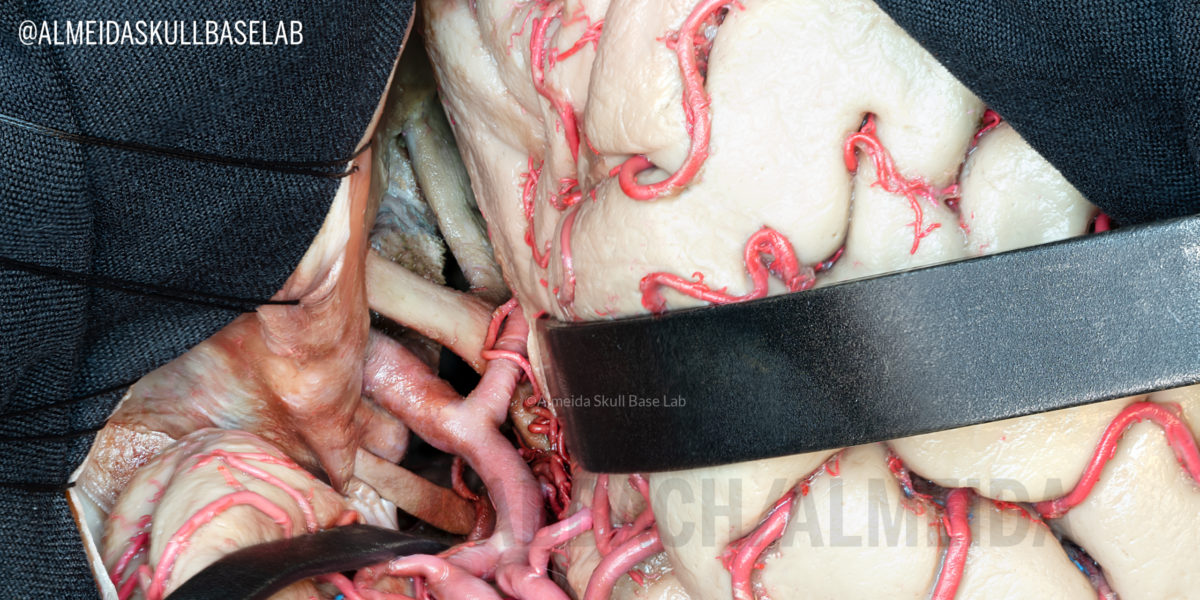
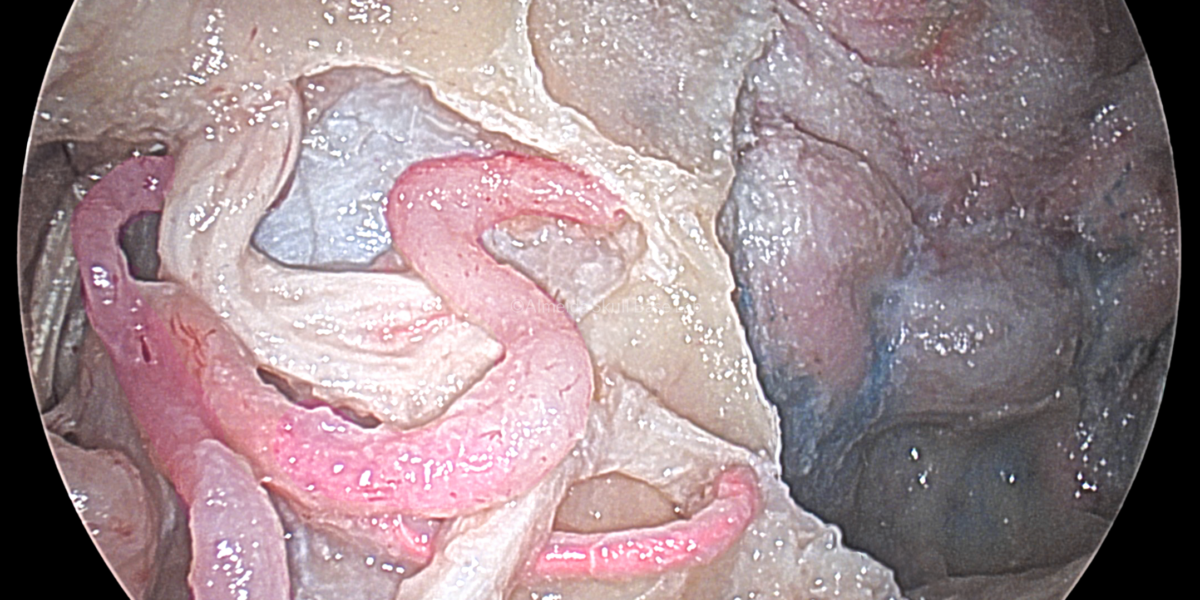
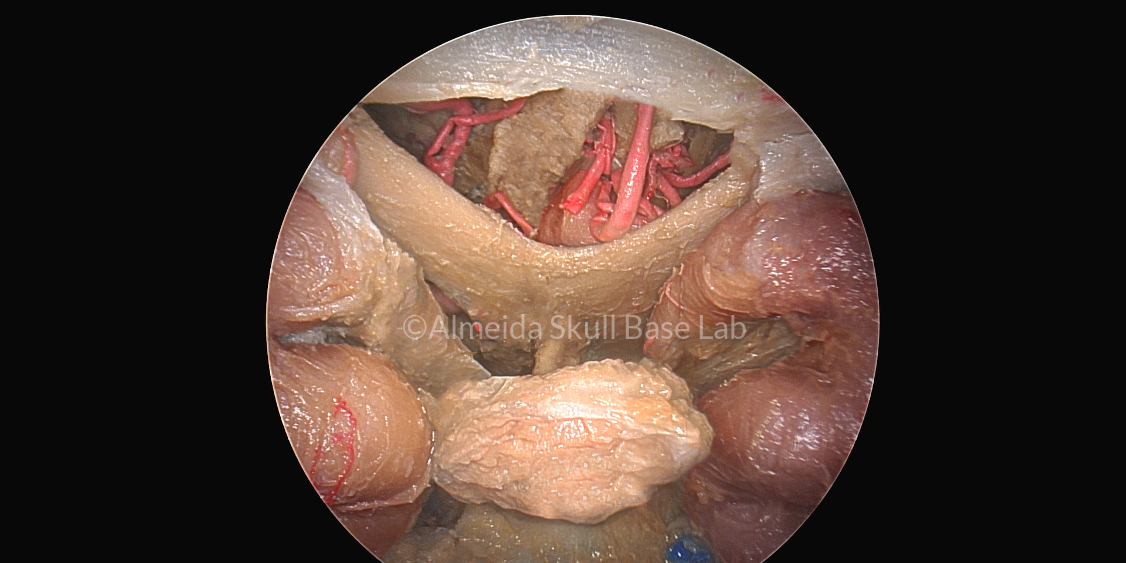
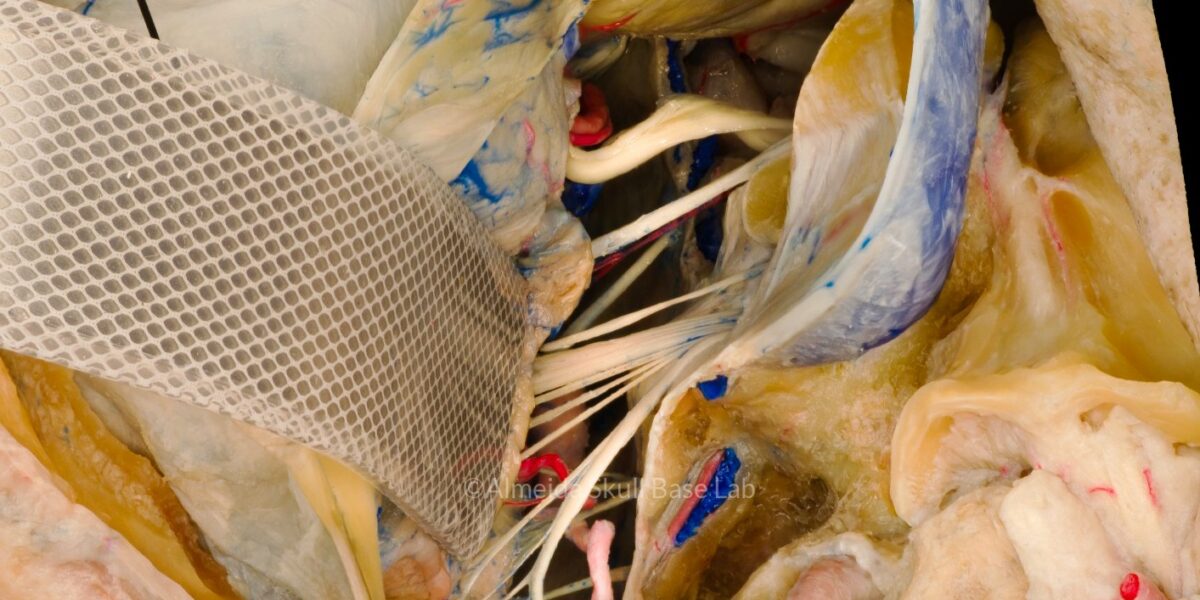
The Indiana University Microneurosurgical and Endoscopic Skull Base Laboratory was founded on a simple but profound principle: mastery in the operating room begins with mastery of the anatomy. Drawing inspiration from the microsurgical traditions of Evandro de Oliveira, Albert Rhoton Jr., and Gazi Yasargil, the lab is dedicated to the rigorous study of skull base and pituitary anatomy through meticulous cadaveric dissection, deliberate practice, and innovation in surgical education.
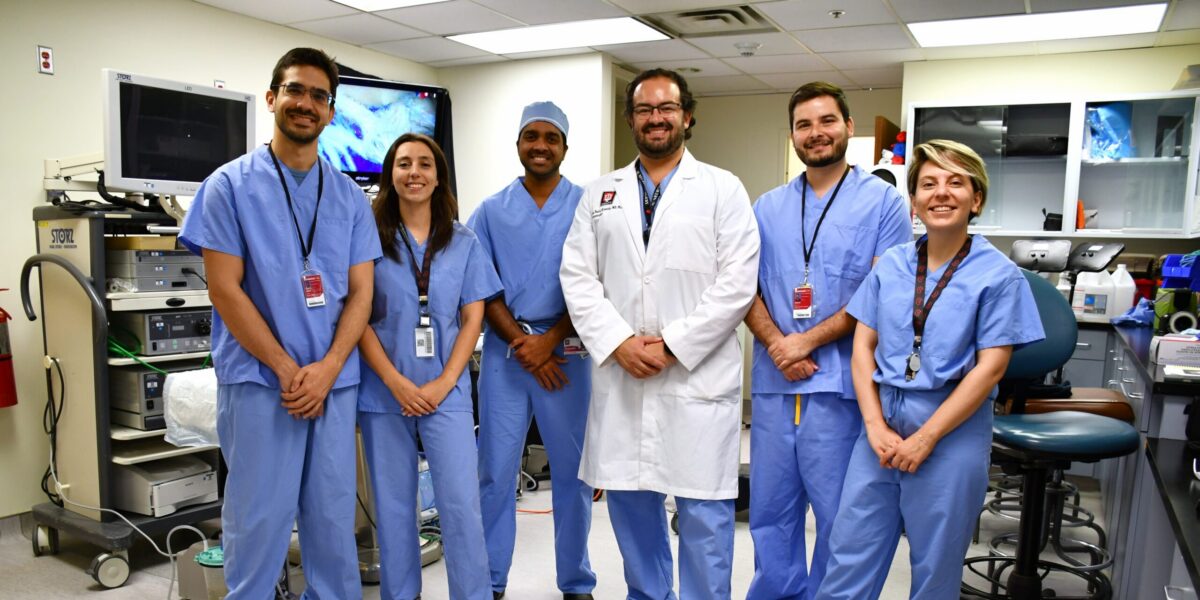
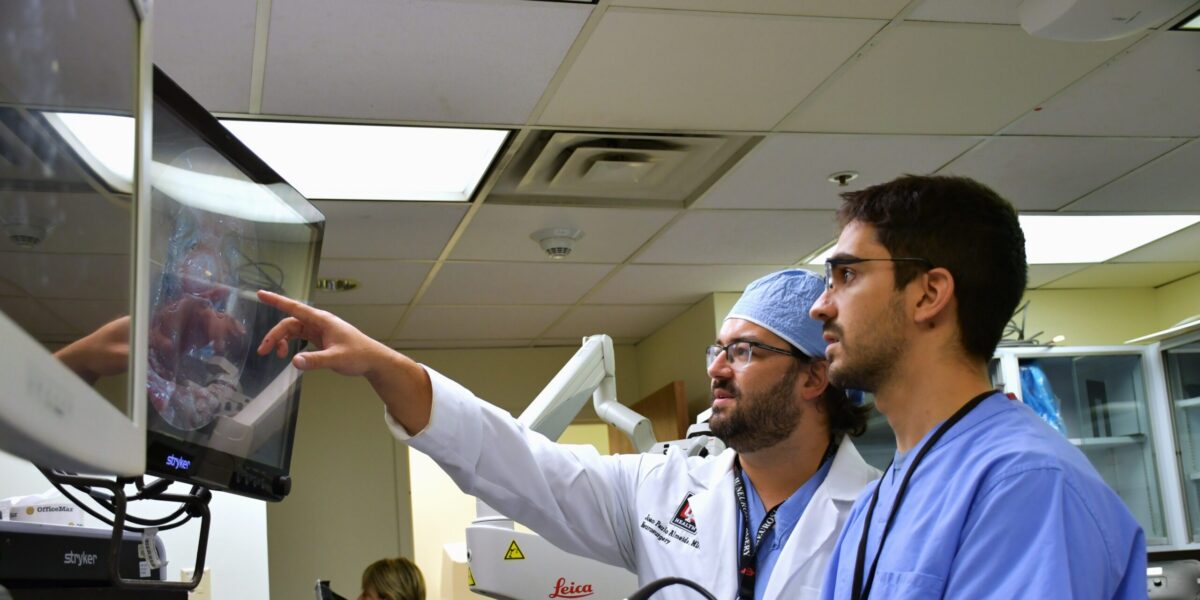
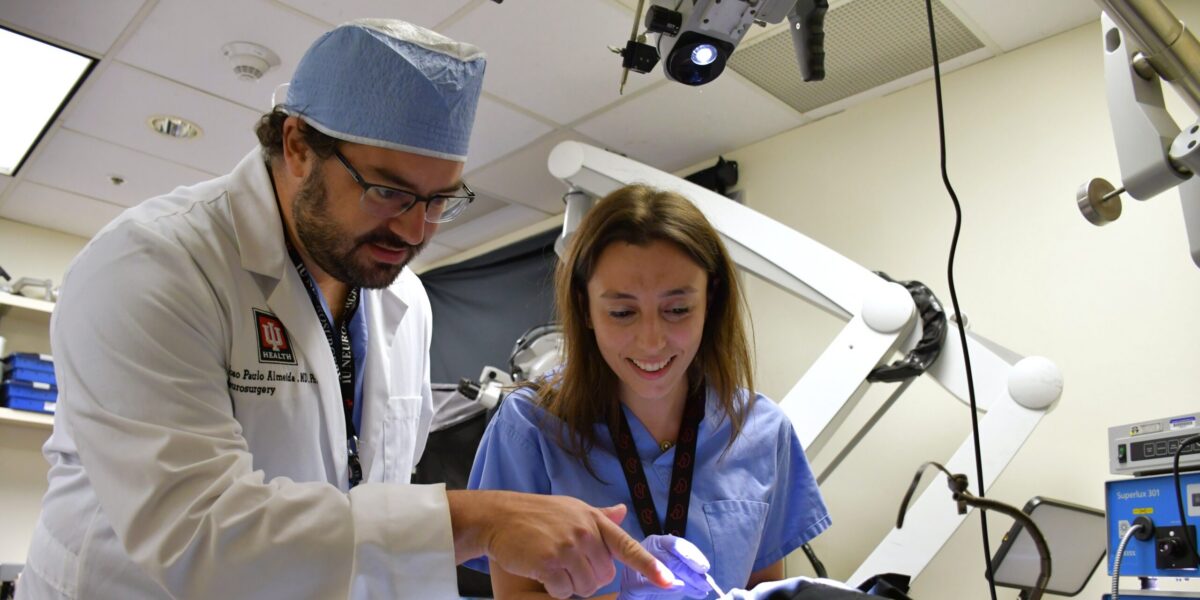
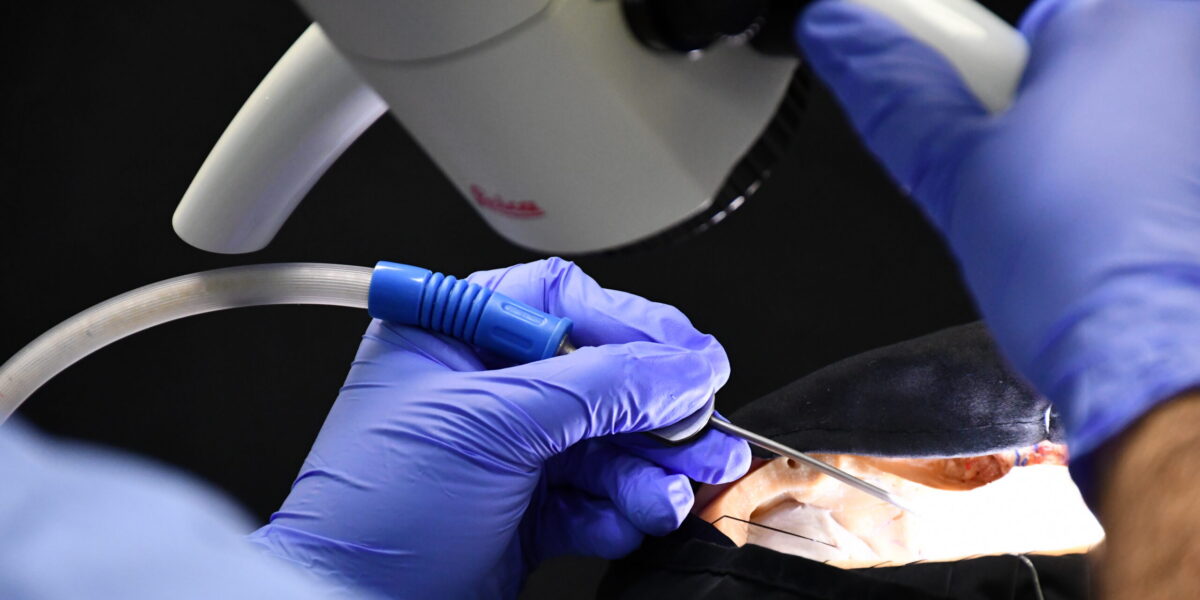
Led by João Paulo Almeida, MD, PhD, director of Skull Base and Pituitary Surgery, the lab serves as a hub for advanced training in both endoscopic and transcranial approaches. Through structured curricula, high-fidelity simulation, and hands-on microsurgical work, residents and fellows gain the precision, spatial awareness, and technical refinement required for complex cranial surgery. “You don’t learn on people — you take care of people,” Almeida often says. “The lab is where technical skill becomes surgical artistry.”
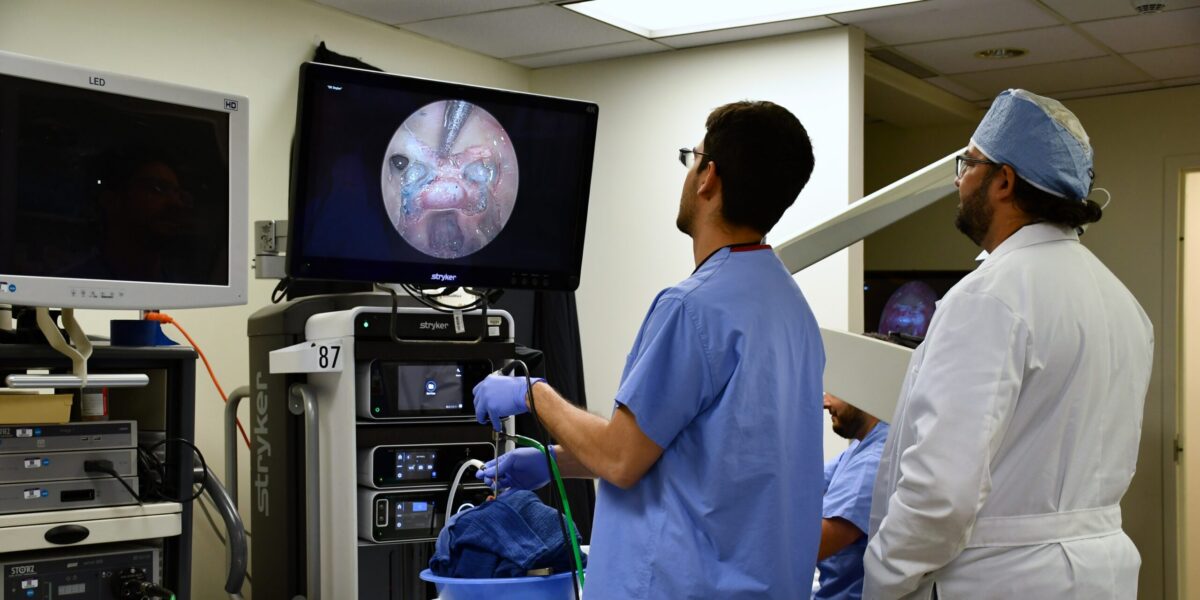
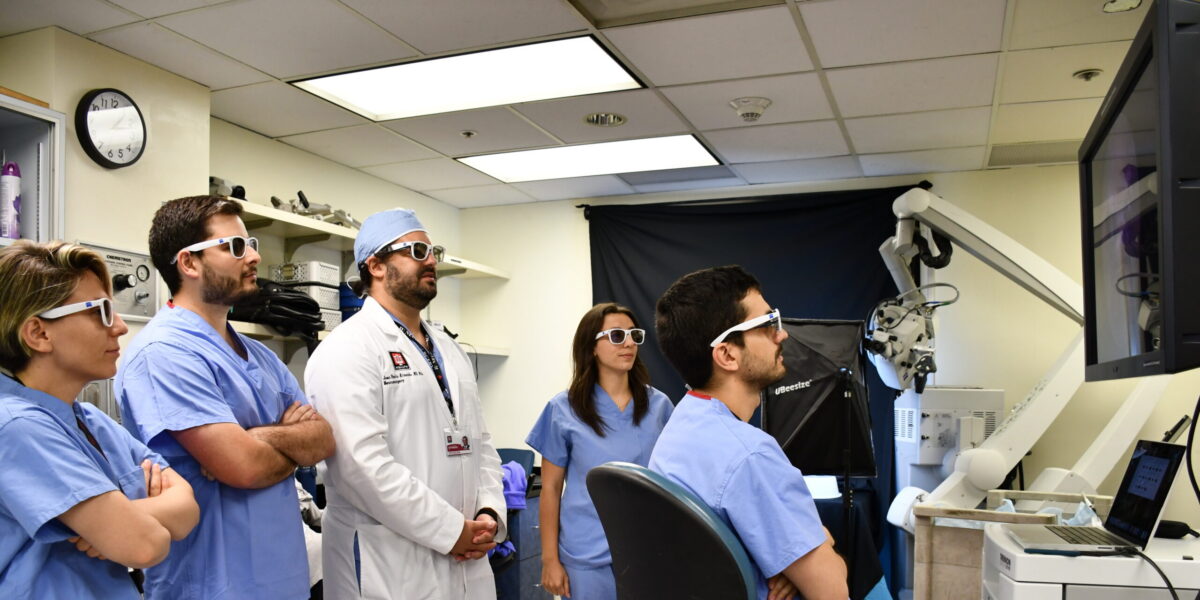
The laboratory integrates classical microsurgical principles with modern visualization technologies to push the boundaries of neurosurgical education. 3D photogrammetry, VR/AR platforms, interactive anatomical models, and AI-driven performance evaluation are incorporated into daily practice, allowing trainees to experience anatomy with unprecedented clarity. These tools expand access to high-quality neuroanatomical education for learners across institutions and continents.
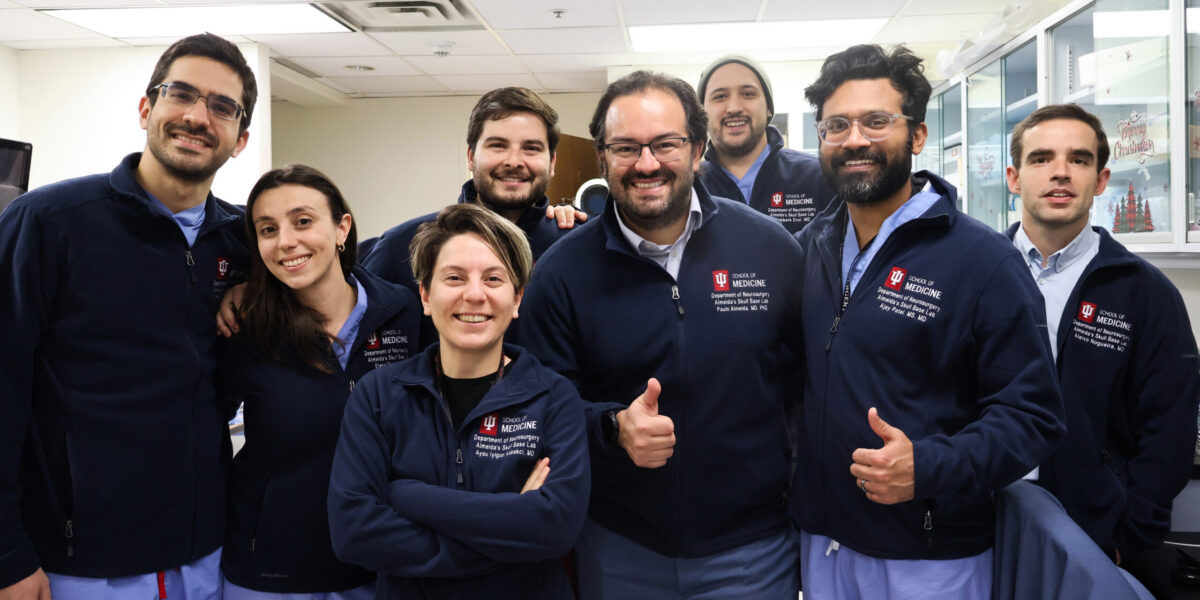
As a global center for collaboration, the lab welcomes neurosurgeons from around the world who are in the final stages of their training or early in their careers. Since its inception, fellows from Brazil, Italy, Argentina, Colombia, Turkiye, Mexico and Japan will participate in the program, continuing Almeida’s longstanding commitment to cross-cultural exchange and international mentorship. “When we engage across borders and share knowledge,” he notes, “we elevate the entire field.”
The lab’s mission extends beyond education: it is a platform for research, innovation, and the development of new surgical ideas. Active projects include anatomical studies of complex cranial corridors, refinement of endoscopic skull base workflows, and the creation of AI-enhanced systems that objectively measure surgical proficiency. These initiatives align with the rapid academic growth of the IU School of Medicine and its investment in a modern downtown medical campus and state-of-the-art surgical skills center.
The lab stands at the intersection of tradition and innovation — a place where the artistry of neurosurgery is preserved, refined, and reimagined for the next generation. Through excellence in anatomy, dedication to teaching, and global collaboration, the lab aims to shape the future of skull base surgery and move the field forward with purpose, precision, and passion.